Noiser
What was the Peasants’ Revolt?
Play Short History Of... The Cuban Missile Crisis, Part 1 of 2
In June 1381, thousands of ordinary people marched on London, demanding an end to unfair taxes, oppressive laws and the feudal system that kept them in servitude. For a few extraordinary days, they threatened to overturn England's social order. But did they succeed?
What caused the Peasants’ Revolt?
In the 1340s, the Black Death swept across England, killing approximately half the population. The enormous loss of life created a worker shortage, giving peasants and labourers a bargaining chip for better wages and working conditions. However, England’s ruling class were determined to keep things as they were.
In 1351, Parliament passed the Statute of Labourers, which attempted to force wages back to their pre-plague levels. In addition, the new law decreed that every able-bodied man and woman under 60 who did not own land must accept any job offered to them. It also outlawed freedom of movement, and banned acts of charity for people who were considered able to work.
Resentment simmered for decades, but taxation finally pushed many people into open rebellion.
England was fighting a costly war against France, and the government needed money. In 1380, Parliament approved a third poll tax, requiring most people aged fifteen and over to pay a flat rate of twelve pence. For wealthy landowners, this was a relatively small amount. For poorer families, it could represent a substantial burden, particularly when several members of the same household were expected to pay.
In 1381, things finally came to a head
The Revolt Begins
In May 1381, resistance to the poll tax erupted in Essex. Within days, the unrest had spread into Kent, where angry crowds attacked officials, destroyed legal records and freed prisoners.
Despite the name historians gave it much later, not all rebels were peasants. In fact, what became a widespread rebellion was led by educated professionals with knowledge of the legal and administrative systems that ground them down.
Leaders began to emerge.
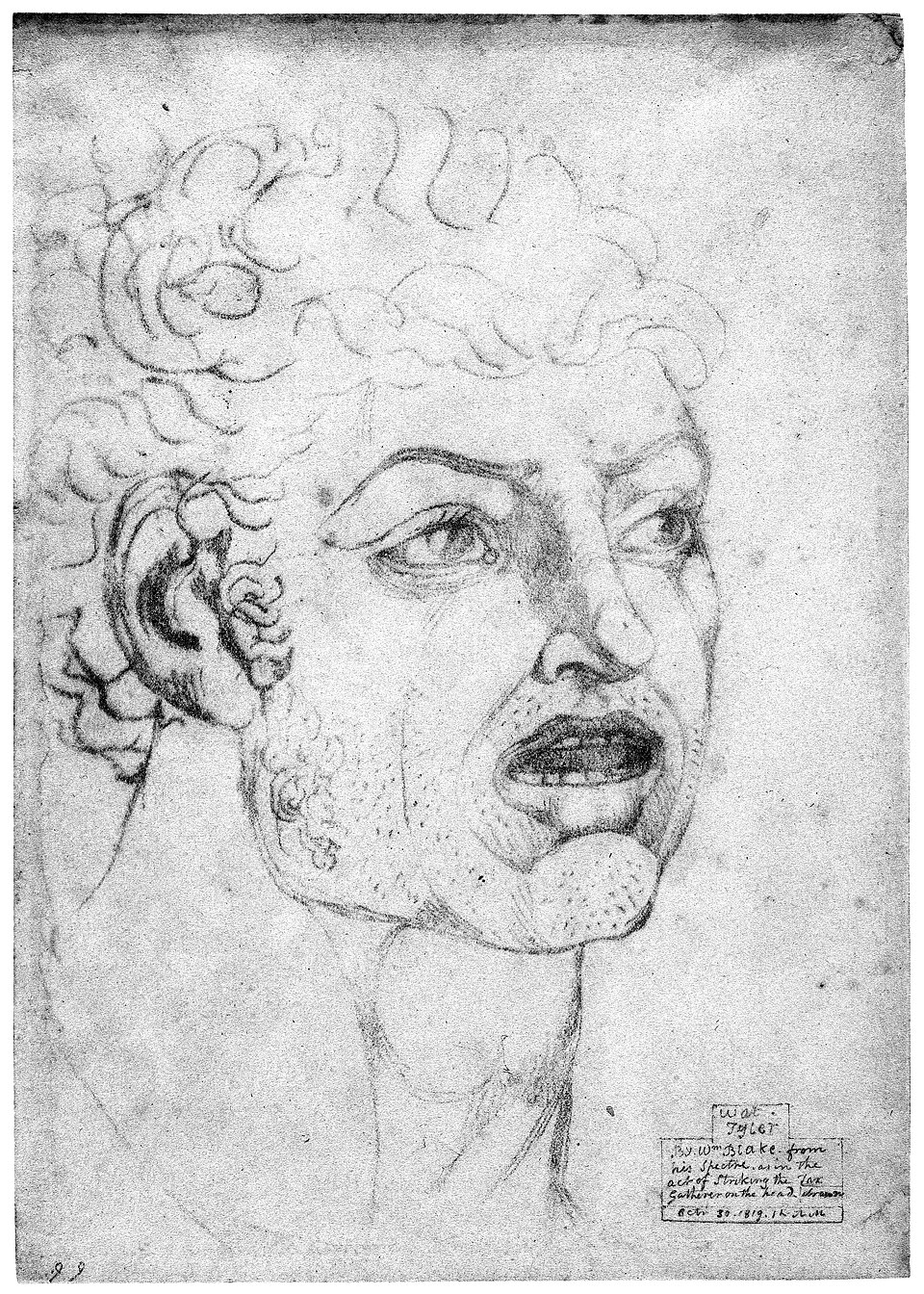
Wat Tyler and John Ball
A charismatic man with enough influence to raise an amateur army numbering in the thousands, Wat Tyler entered the chronicles on 7th June, 1381, when he was elected leader of the Kentish rebels at a large gathering in Maidstone. As a lowly tradesman, no official records reveal Tyler’s origins. Perhaps, as his name suggests, he worked with tiles — laying clay or stone roofs.
Meanwhile, north of the Thames in Essex, another local leader was amassing an army: John Ball. Disgusted by the wealth held by Church officials and Abbeys, he delivered heated sermons promoting egalitarianism and argued that the feudal system goes against the will of God and the teachings of the Bible. He famously asked, “When Adam delved and Eve span, who was then the gentleman?”—meaning that if everyone descended from Adam and Eve, as the Bible stated, then the nobility had no special right to rule.
Escalation
On 13th June 1381, thousands of rebels entered London, attacking government buildings, opening prisons and destroying the Savoy Palace, the lavish residence of John of Gaunt.
The following day, rebels entered the Tower of London. There, they seized Archbishop Simon Sudbury, the Lord Chancellor, and Sir Robert Hales, the Lord Treasurer, and executed both on Tower Hill.
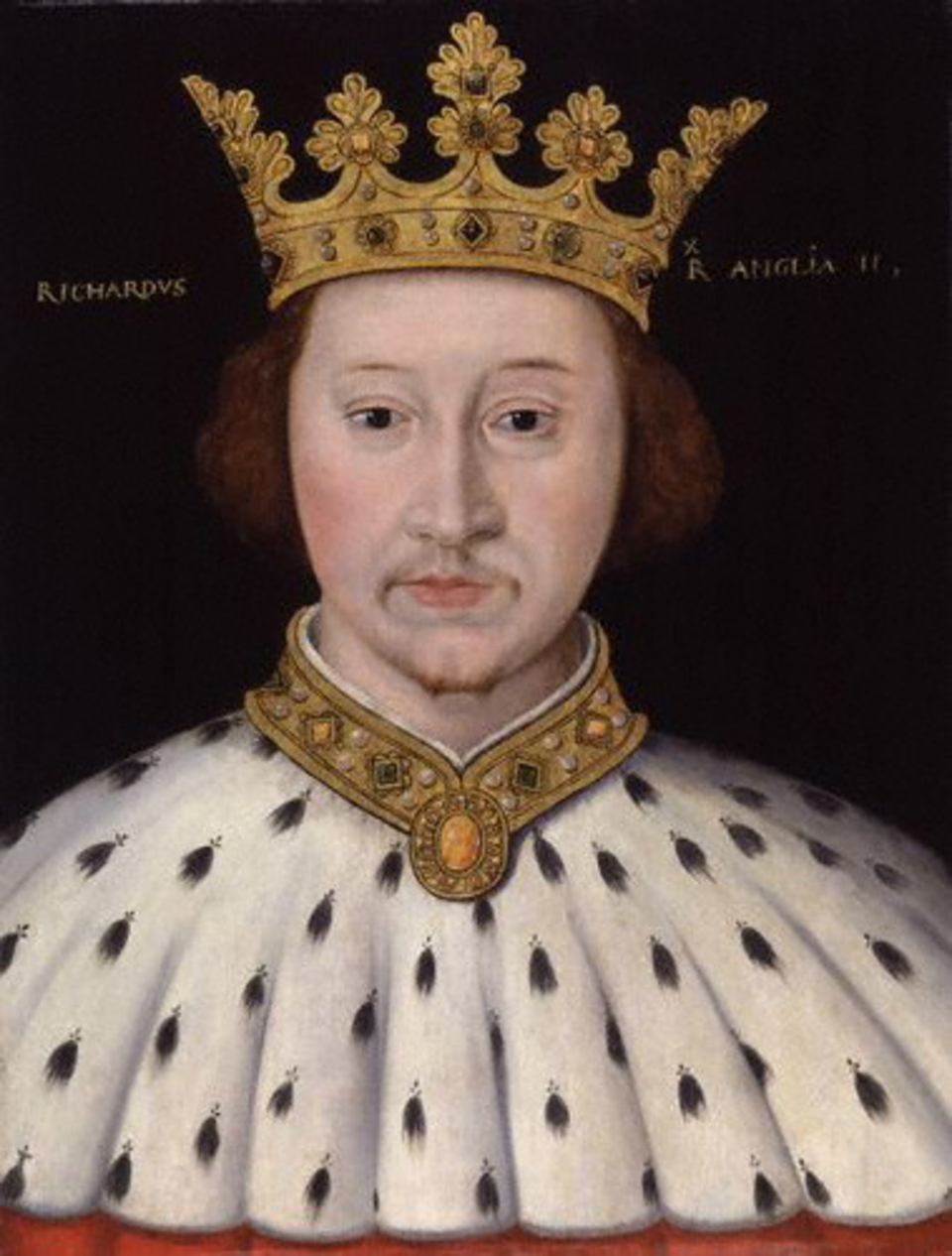
With London in turmoil, England's fourteen-year-old king, Richard II, agreed to meet the rebels. He promised to grant their demands, but another meeting between the king and the rebels the following day at Smithfield ended in bloodshed. Wat Tyler was killed by the Mayor of London, and when further violence threatened to erupt, the king calmed things down by persuading the crowd to follow him.
It implies some sympathy with the rebels. He saved the situation as a 14-year-old; it is an extraordinary event
Juliet Barker, medieval historian and author of the book England, Arise
The Uprising Ends
On 23rd June, the king backtracked, revoking the concessions he made to the rebels: they were not free, and they were not pardoned. Throughout July, the royal army mobilised around the countryside, their retribution brutal.
The firebrand preacher, John Ball, was captured and executed at St Albans in July. He was hanged, drawn and quartered, and his severed head was displayed on London Bridge as a warning to others.
Why is the Peasants’ Revolt Remembered?
Although the rebellion failed to achieve its immediate objectives, it exposed deep divisions within medieval English society. Parliament was shocked by the power of the masses and how easily simple country people could hold the city to ransom.
Perhaps fearful of a rematch, they abandoned the hated poll tax. England did not see a flat-rate per capita levy again for another 600 years. And while serfdom did not end with a victory parade of peasants in 1381, it withered over subsequent generations. Within a century, bonded labour was virtually non-existent.
The Peasants’ Revolt showed that England's established social order was not beyond challenge. Though brutally suppressed, the rebellion remains a powerful example of ordinary people demanding greater freedom and equality.